
What We Didn't Expect to Learn Building Ikigai for Teens
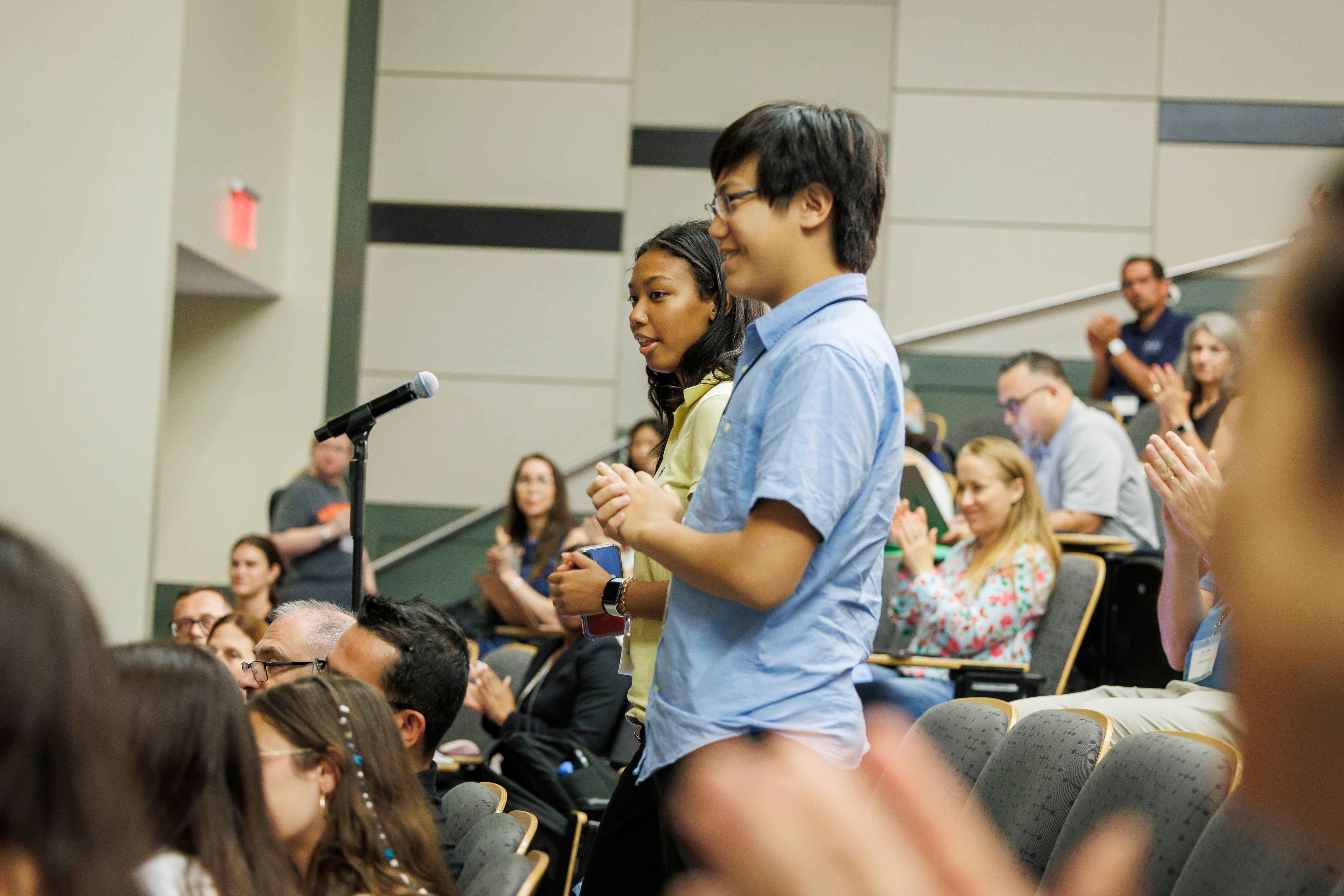
Nomusa Gwebu and Victor Tang built Ikigai for Teens, an app that helps students discover careers rooted in what they love, what they're good at, and what the world needs. Here's what they learned along the way.
We thought the hardest part of this project would be building the technology. However, we were wrong. Both of us were balancing schoolwork and lots of extracurriculars while building the app, resulting in many personal sacrifices to meet deadlines and implement all the features we wanted to. Our drive to persevere in building this app came from the knowledge that what we were creating was greater than the sum of our time spent.
As we kept thinking of ideas, though, we realized the biggest challenge in our own lives wasn't school itself or hard homework assignments, but what we wanted to do with all the education we received, through college and into the future. All of the tools we used in school felt incredibly impersonal. They reduced students to a handful of quiz answers, condensed and fed into the same algorithm for every user, without considering how interests, goals, and priorities change over time. That's when we realized we wanted to create an app that doesn't only help students find a career, but helps them discover themselves.
Once we decided on our topic, we quickly realized we couldn't just let AI generate career advice and call it a day. We had to learn how to build a system that actually remembered each student's experience, and find a multi-dimensional framework we could base our results on. After researching different career development models, we came across the Japanese concept of Ikigai: the intersection of what you love, what you're good at, what the world needs, and what you can be paid for. Now, everything was coming together: this would allow teens just like us to discover their career their own way, based on their own data and performance.
However, building the app itself taught us something we weren't expecting: the real challenge wasn't the coding itself, creating the backend, refining the database, and designing the front end, but approaching and addressing the new problems we ran into. Many times, there were features that we spent hours working on; however, we eventually deleted them because they just weren't working, and they caused new bugs to appear each day. Even though it was frustrating, we eventually realized that's just part of creating something from scratch.
The same thing happened with feedback; instead of seeing it as criticism, we started seeing it as another opportunity to improve the app and work on the weak points. For example, we added a new "Journal" tab after feedback from classmates and friends that there should be real time updates for all of your recent achievements.
So, if we could give one piece of advice to someone starting a project, it would be to just start brainstorming. You don't need to have everything figured out on day one, except for your basic idea. We learned most of our skills during the times we ran into "unsolvable" problems. Through diligence and grit, we were able to solve them together.
Developing Ikigai for Teens taught us numerous technical skills like AI development, software engineering, and product design. Moreover, it taught us resilience, adaptability, communication, and how to create something without having an ideal roadmap. Those are the skills we'll carry with us long after the app is finished.