
What Ikigai for Teens Taught Us About Finding Yourself
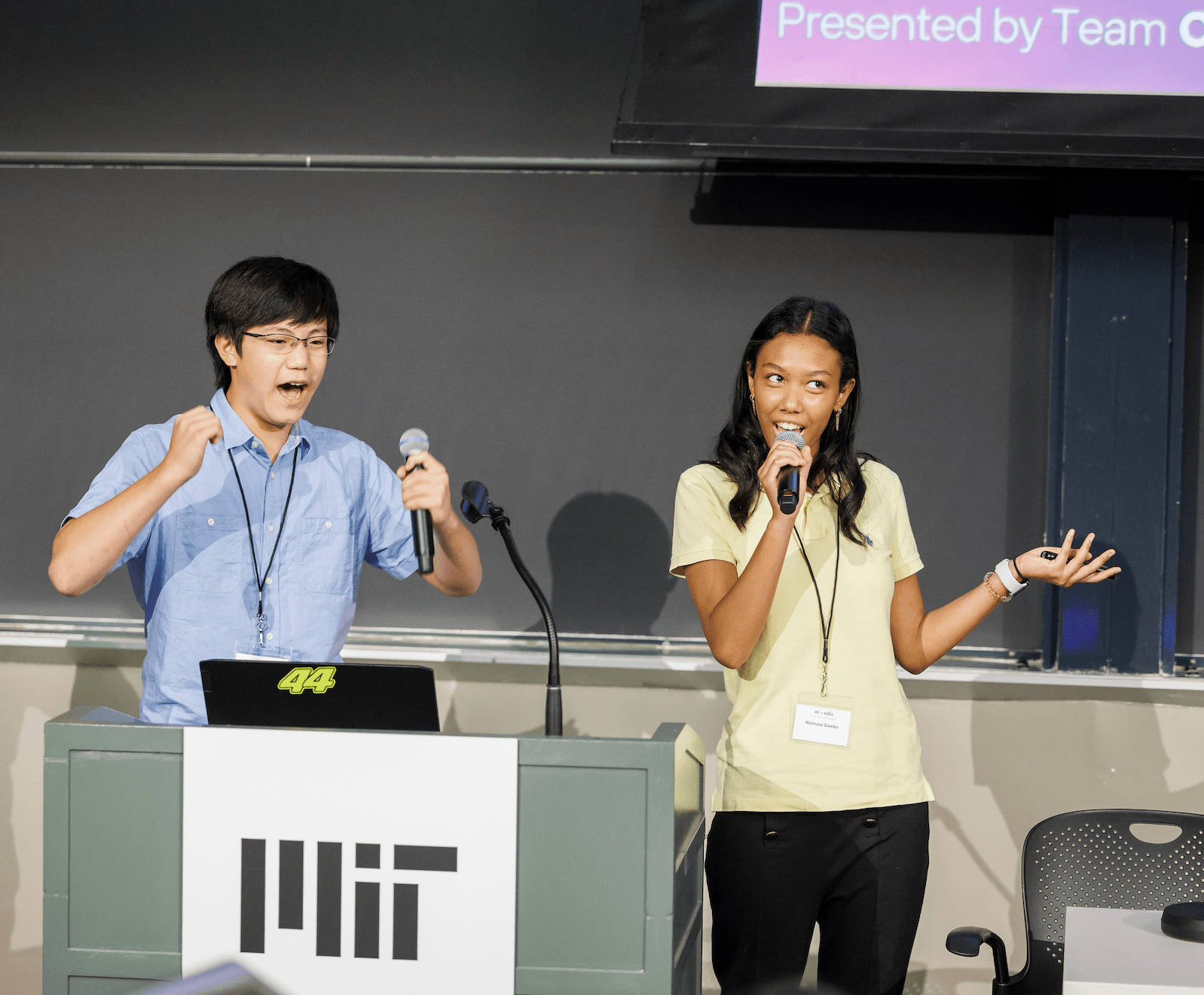
By Nomusa Gwebu and Victor Tang, Creators of Ikigai for Teens
Many teens are asked the common question "what do you want to do when you grow up?" On face value, it's a question that appears simple but for many of us it seems like an impossible question to answer. Most teens are still trying to figure out what they truly enjoy, which industries will set them up for success and — most importantly — what fits them best. The answer to this very question will probably shape the rest of our lives.
This is why creating Ikigai for Teens was so meaningful for us. During the brainstorming process, we came across the Japanese concept Ikigai meaning: reason for being. It's the bridge between what you're good at, what you enjoy, what can give you value, and what the world needs. Ikigai isn't just about finding the perfect career path. It's about finding yourself.
The concept of Ikigai became our framework when developing the app. We were prompted to build it when we entered the MIT Global AI Hackathon. Both of us were very interested in technology and coding, but also in making a positive impact in our community. As we talked through different problems we faced on a day-to-day basis, both of us kept running into the same one: career planning tools were shallow.
Many career planning tools were merely personality quizzes that asked the user what they enjoy doing. Although these quizzes can be helpful at times, they separate people into categories and don't actually reveal who the user is as a person. This leaves no room for curiosity, growth, and self-discovery.
We wanted to create something that would leave room for that. We wanted teens to question themselves deeply. We wanted their results to be based on their daily life over time. We wanted teens to have a space where they could record their thoughts and feelings, like a personal diary, to help find what they might be interested in pursuing.
Building the app was an amazing experience. Through a technical lens we learned the work and thought process that goes into turning an idea into an actually functioning app. We tested features and collected feedback over and over to improve it. Every single time we ran into an unexpected challenge, it forced us to think more about the people we were building the app for.
However, the best part of making the app wasn't the coding. It was the impact. The more teens we got feedback from, the more we came to realize that everyone holds uncertainty about the future. Many teens feel as though they must have everything already figured out. One mistake and they feel as though their life is ruined. Through this we learned that sometimes it's not answers people are seeking — it's tools.
As Ikigai continues to grow, we hope that teens will use it as a starting point in their lifelong journey of discovery. We don't want the app to feel like something that assigns a future, because the future isn't something that needs to be mapped out in the concrete right now. It's something that you discover with experiences, failures, successes, and time. After all, the most valuable discovery isn't a career. It's yourself.